Industrial Chemicals

Metal &
Metal Salts

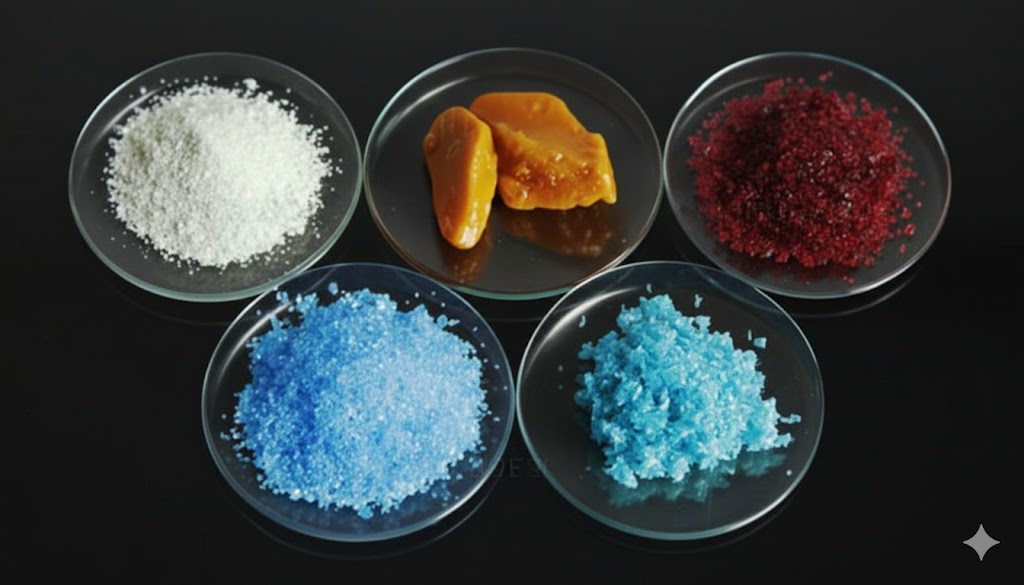
Inorganic metal compounds for electroplating, surface treatment, and industrial manufacturing — Nickel, Copper, Zinc, Tin, and Chromium salts supplied to businesses across Pakistan since 1995.

6 Salt Categories Nickel · Copper · Zinc · Tin · Chromium Industrial Grade 25 kg Standard Pack Nationwide Delivery
Metal salts — industrial grade inorganic compounds for electroplating
Nickel salts Copper salts Zinc salts Tin salts
6Salt Categories
30+Individual Products
25 kgStandard Packaging
1995Established
Metal and metal salts — inorganic compounds for electroplating and surface treatment
What Are Metal Salts?

Metal & Metal Salts

Metal salts are inorganic compounds formed when metal ions combine with non-metal ions. They are commonly produced when a metal replaces hydrogen in an acid during a chemical reaction, resulting in a stable salt.

Reactions with different acids create different types of metal salts. Hydrochloric acid forms metal chlorides, sulfuric acid produces metal sulfates, and phosphoric acid generates metal phosphates. These reactions are widely used to manufacture industrial-grade metal salts.

Common examples include copper sulfate, nickel sulfate, nickel chloride, stannous sulfate, stannous oxide, and stannous chloride. Metal salts are extensively used in electroplating and metal finishing industries, providing metal ions for durable, corrosion-resistant, and high-quality surface coatings.

Hydrochloric Acid Reaction
Metal + HCl → Metal Chloride
Sulphuric Acid Reaction
Metal + H₂SO₄ → Metal Sulphate
Phosphoric Acid Reaction
Metal + H₃PO₄ → Metal Phosphate
Primary Use
Electroplating & metal finishing
Browse Salt Categories
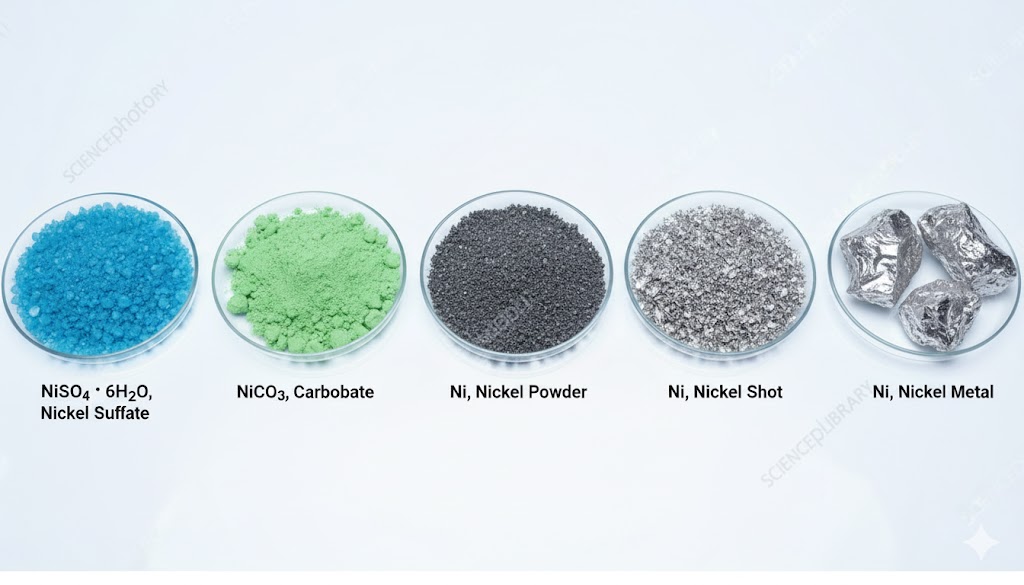
Nickel Salts — nickel sulphate, nickel chloride, nickel carbonate for electroplating
NiAtomic No. 28
Nickel Compounds

Nickel Salts

Nickel is mainly used for electroplating iron and brass to improve corrosion resistance and give a bright, silvery finish. It is also essential in manufacturing durable alloys that retain their polish over time.

Nickel forms stable compounds with common anions such as sulphate, chloride, carbonate, and hydroxide. Nickel sulphate is produced in large quantities by reacting nickel metal or oxide with sulphuric acid and is widely used in electroplating applications.

Nickel Sulphate Nickel Chloride Nickel Carbonate Nickel Sulphamate Nickel Fluoborate Nickel Hydroxide Nickel Acetate Nickel Oxide Nickel Powders
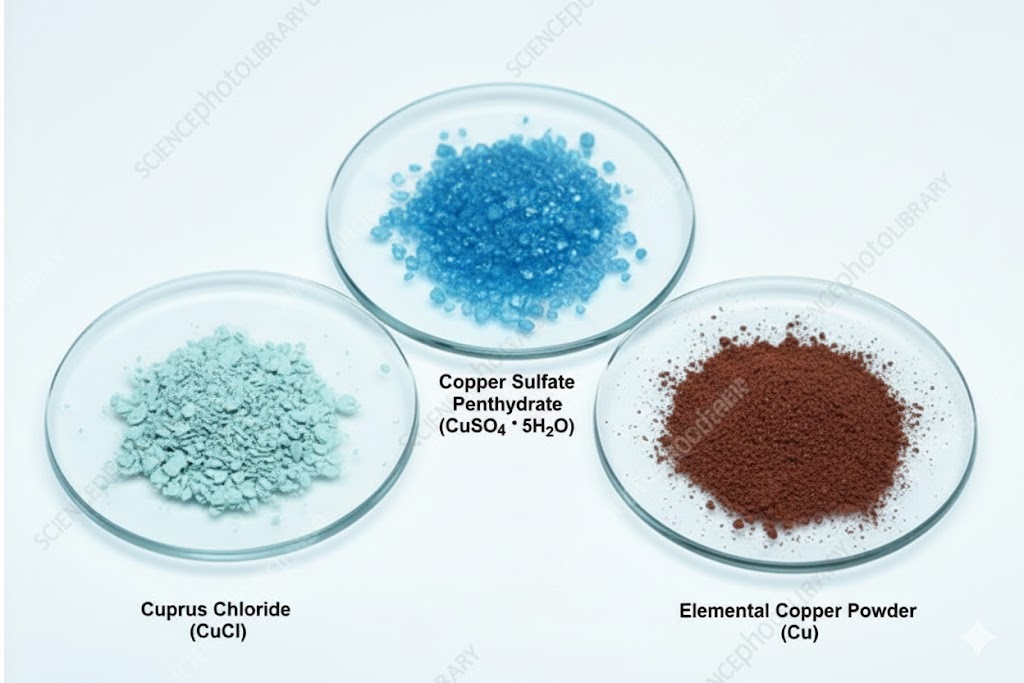
Copper Salts — copper sulphate, copper chloride, copper carbonate for electroplating
CuAtomic No. 29
Copper Compounds

Copper Salts

Copper is widely valued for its excellent electrical and thermal conductivity, making it essential in wiring, heat exchangers, and construction materials. It is also a key element in many metal alloys used across industrial and decorative applications.

Copper compounds such as copper sulphate and copper chloride are produced on a large scale by reacting copper with mineral acids. These salts are commonly used in electroplating, agriculture, dyeing, and ink manufacturing. In addition, copper forms alloys such as brass (copper and zinc) and is known for developing a natural green patina over time — appreciated in architectural design.

Copper Sulphate Copper Chloride Copper Carbonate Copper Cyndie Brass Salts
Zinc Salts — zinc oxide, zinc chloride, zinc dust for galvanizing and electroplating
ZnAtomic No. 30
Zinc Compounds

Zinc Salts

Zinc is mainly used to protect iron and steel from corrosion, with galvanisation being its most common application. Because zinc is more reactive than iron, it corrodes first and shields the base metal from oxidation. Zinc coatings are applied through electroplating, hot-dip galvanising, or thermal spraying.

Modern surface treatment methods increasingly use zinc flake coatings, which provide strong corrosion resistance with a much thinner layer — offering three to four times better protection than conventional zinc coatings.

Zinc Oxide Zinc Chloride Zinc Dust Superfine Zinc Dust Ultrafine
Tin Salts — stannous sulphate, stannous chloride, tin oxide for tin plating
SnAtomic No. 50
Tin Compounds

Tin Salts

Tin is a soft, silvery metal with a slight yellow tone that bonds well with iron and is widely used to coat steel, zinc, and lead surfaces to protect them from corrosion. Tin-coated steel containers account for a major share of global tin consumption, especially in packaging applications.

Tin sulphate and tin chloride are produced in large quantities by dissolving tin in mineral acids and are commonly used in electroplating, cosmetics, and pharmaceutical manufacturing. Tin also combines with other elements to form many useful industrial alloys.

Tin Sulphate (Stannous Sulphate) Tin Chloride (Stannous Chloride) Tin Methasulphonic 300 Tin Oxide Sodium Stannate Potassium Stannate
Chromium Salts — chromic acid, basic chromium sulphate, chromium oxide for hard chrome plating
CrAtomic No. 24
Chromium Compounds

Chromium Salts

Chromium salts are widely used in manufacturing industries such as cement, mortar, leather processing, paints, and anticorrosive coatings. The primary source of chromium is chromite ore, which contains chromium along with iron, aluminium, and magnesium oxides.

Chromium salts are mainly classified into two categories based on their oxidation state: trivalent chromium salts and hexavalent chromium salts. Each type is used for specific industrial and chemical applications including hard chrome plating and leather tanning.

Trivalent Chromium Salt Basic Chromium Sulphate Chromium Oxide Chromium Nitrate Chromium Acetate Chromium Trioxide (Chromic Acid)
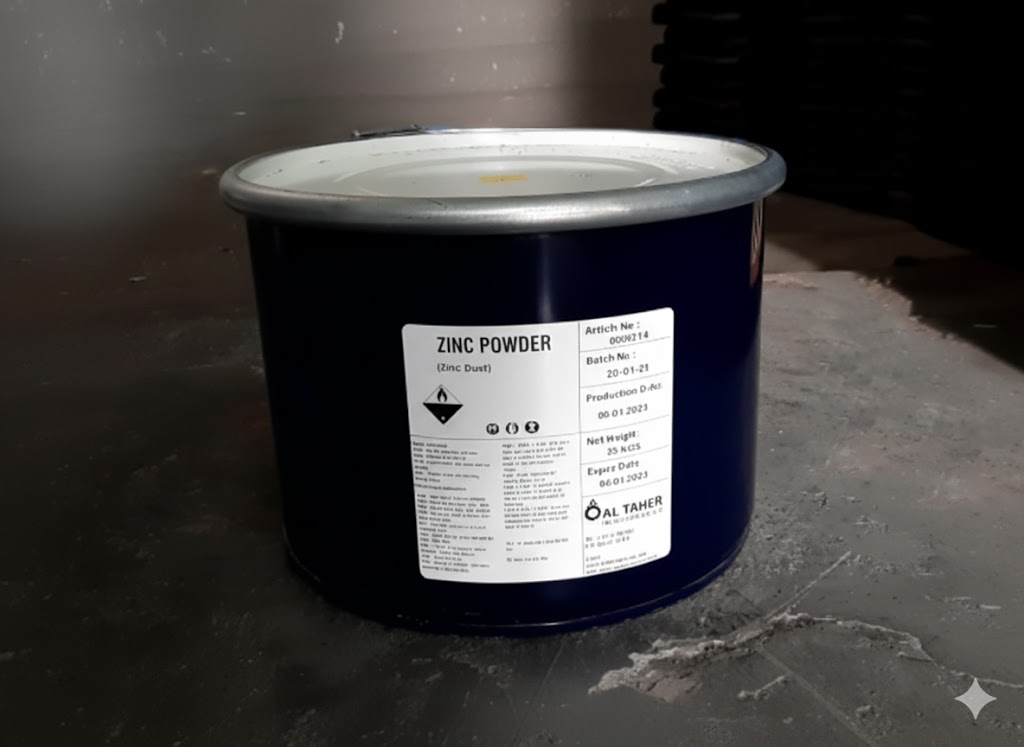
Zinc Metal Powder

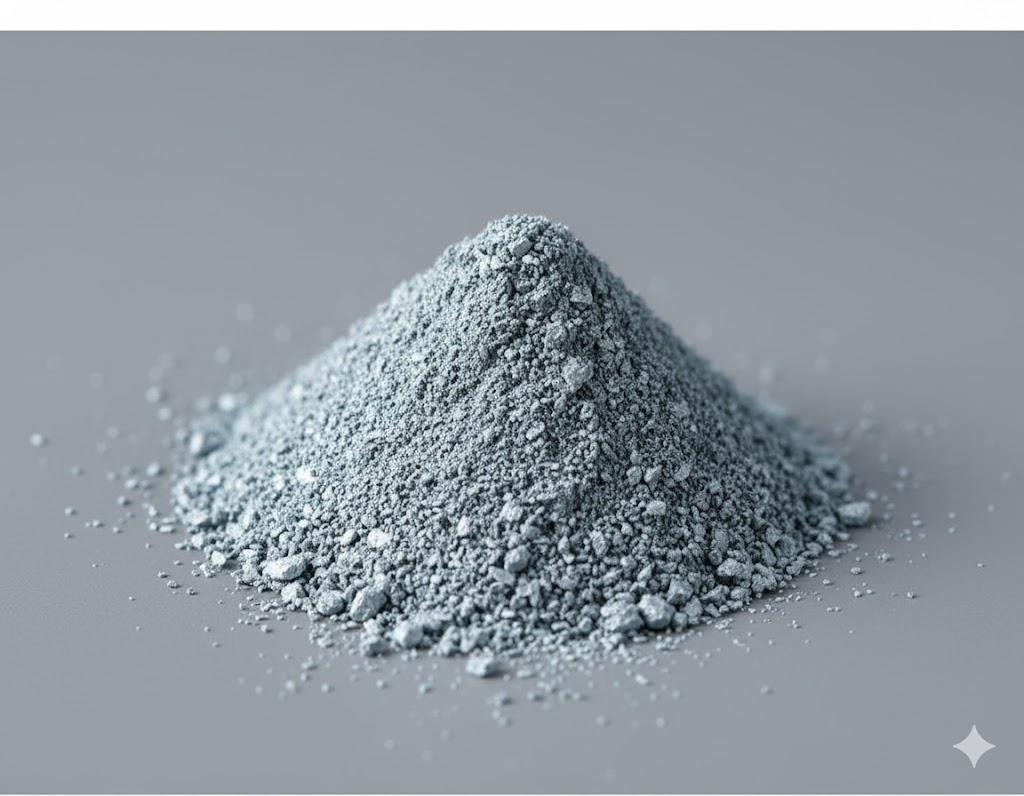
Zinc Powder (Zinc Dust)

Zinc dust is a fine, bluish-gray metallic powder obtained during zinc distillation. It is primarily used as a reducing agent, a pigment in corrosion-resistant coatings, and in zinc plating processes.

Zinc dust has versatile applications across industries — from galvanising steel to die casting, paint manufacturing, and micronutrient applications in medicine, cosmetics, and agriculture.

Galvanising steel (corrosion protection)
Die casting for precision components
Brass production (copper-zinc alloy)
Paint manufacturing (zinc-rich primers)
Reducing agent in chemical reactions
Medicine, cosmetics & agriculture
Request Quote → Request MSDS
Zinc Powder (Zinc Dust) — fine bluish-gray metallic powder for corrosion-resistant coatings
Full Product Range

All Metal Salt Categories

Common Questions

Frequently Asked Questions

What are metal salts and how are they formed?
Metal salts are inorganic compounds formed when metal ions combine with non-metal ions. They are commonly produced when a metal replaces hydrogen in an acid. Hydrochloric acid forms metal chlorides, sulfuric acid produces metal sulphates, and phosphoric acid generates metal phosphates. These reactions are widely used to manufacture industrial-grade metal salts such as copper sulphate, nickel sulphate, and stannous chloride.
What metal salts does Libras Chemical supply?
+
Libras Chemical supplies a comprehensive range across six categories: Nickel Salts (Sulphate, Chloride, Carbonate, Sulphamate, Fluoborate, Hydroxide + more), Copper Salts (Sulphate, Chloride, Carbonate, Brass Salts), Zinc Salts (Oxide, Chloride, Zinc Dust), Tin Salts (Stannous Sulphate, Stannous Chloride, Tin Oxide, Stannates), Chromium Salts (Chromic Acid, Basic Chromium Sulphate, Chromium Oxide), and Zinc Powder.
What industries use metal salts?
+
Metal salts are used across a wide range of industries. The primary use is in electroplating and metal finishing, where they supply metal ions for corrosion-resistant surface coatings. Other industries include agriculture (copper sulphate as a fungicide), battery manufacturing (nickel hydroxide), leather processing (chromium salts), pharmaceuticals (tin compounds), ceramics, paints, and chemical synthesis and catalysis.
Which nickel salt is best for electroplating?
+
Nickel Sulphate is the primary nickel source in the Watts bath — the most widely used formulation for decorative bright nickel plating. Nickel Chloride is added to improve anode corrosion and conductivity. Nickel Sulphamate is preferred for engineering and precision electroforming applications because it produces low-stress deposits at high current densities.
Are metal salts available from stock in Pakistan?
+
Yes. Libras Chemical maintains stock of the most commonly used metal salts — including Nickel Sulphate, Copper Sulphate, Zinc Oxide, and Stannous Sulphate — and can supply other products on order. We deliver nationwide across Pakistan including Karachi, Lahore, Faisalabad, Gujranwala, Sialkot, and beyond. Contact us for pricing and lead times.
Need Metal Salts
for Your Operation?

Contact our team for pricing, bulk availability, MSDS documentation, and nationwide delivery across Pakistan.

Request a Quote → View Electroplating
📍 187 'B' Road, Liaquatabad, Karachi