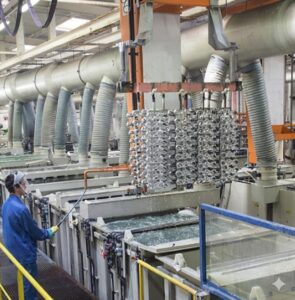
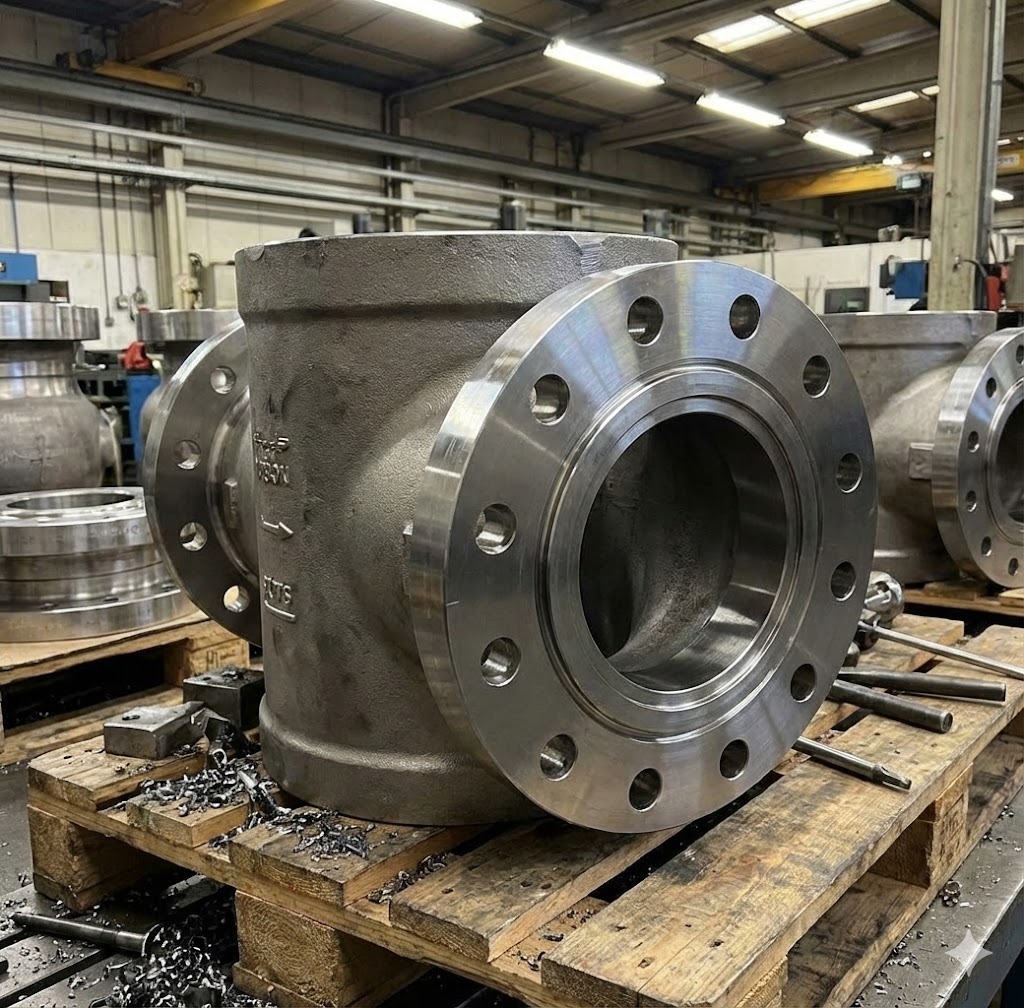
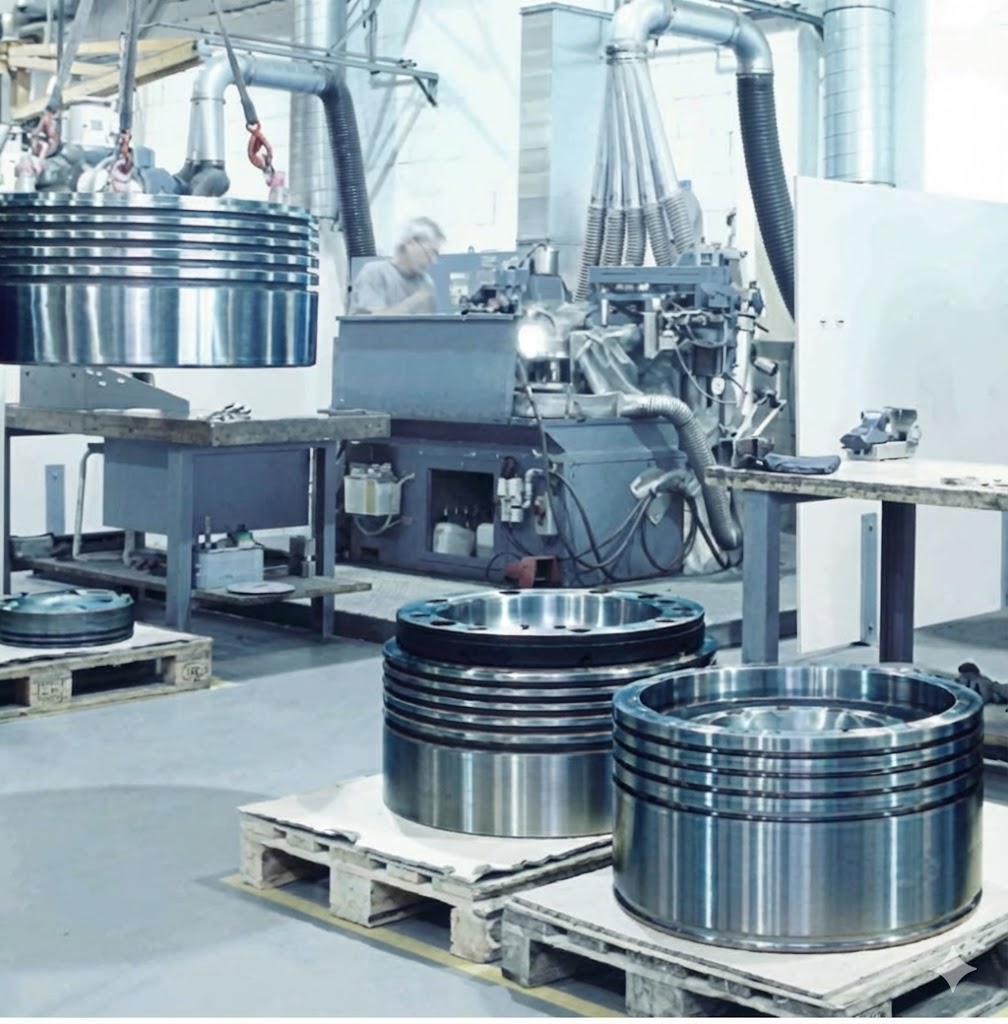
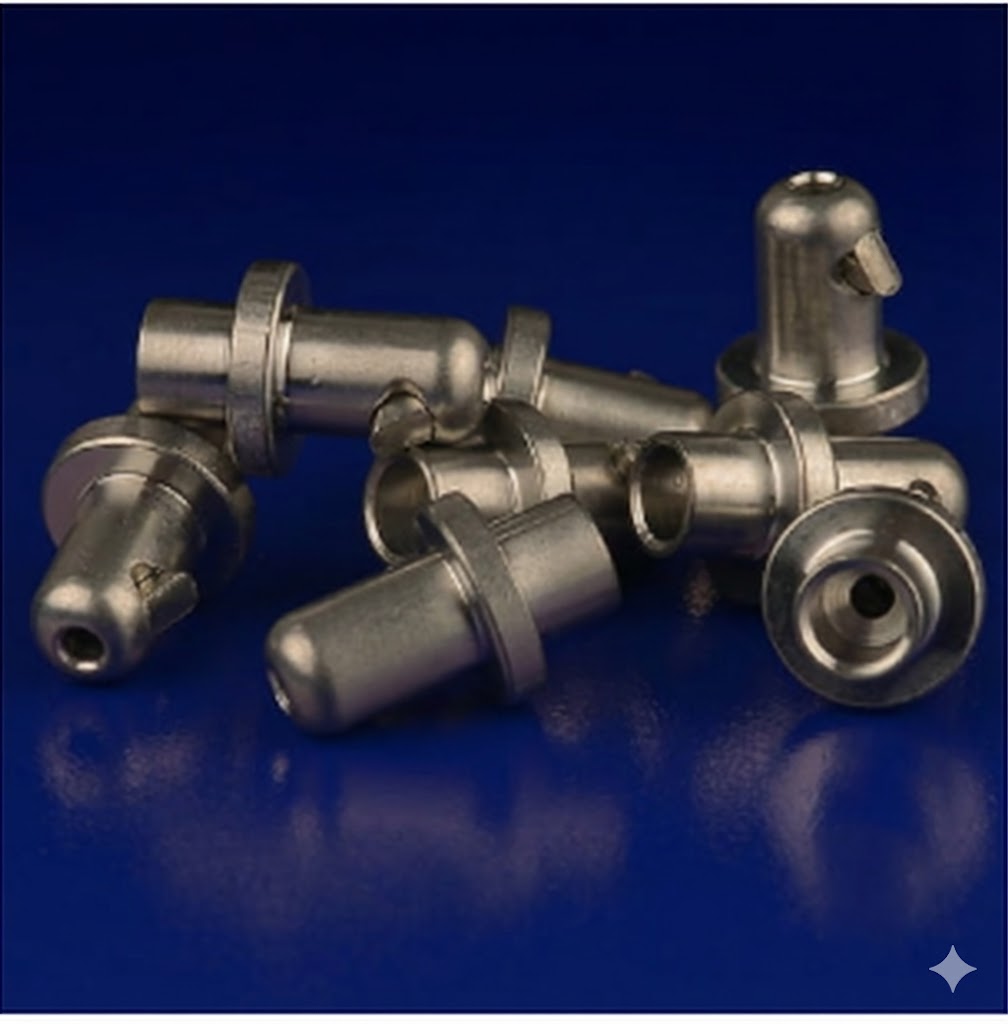
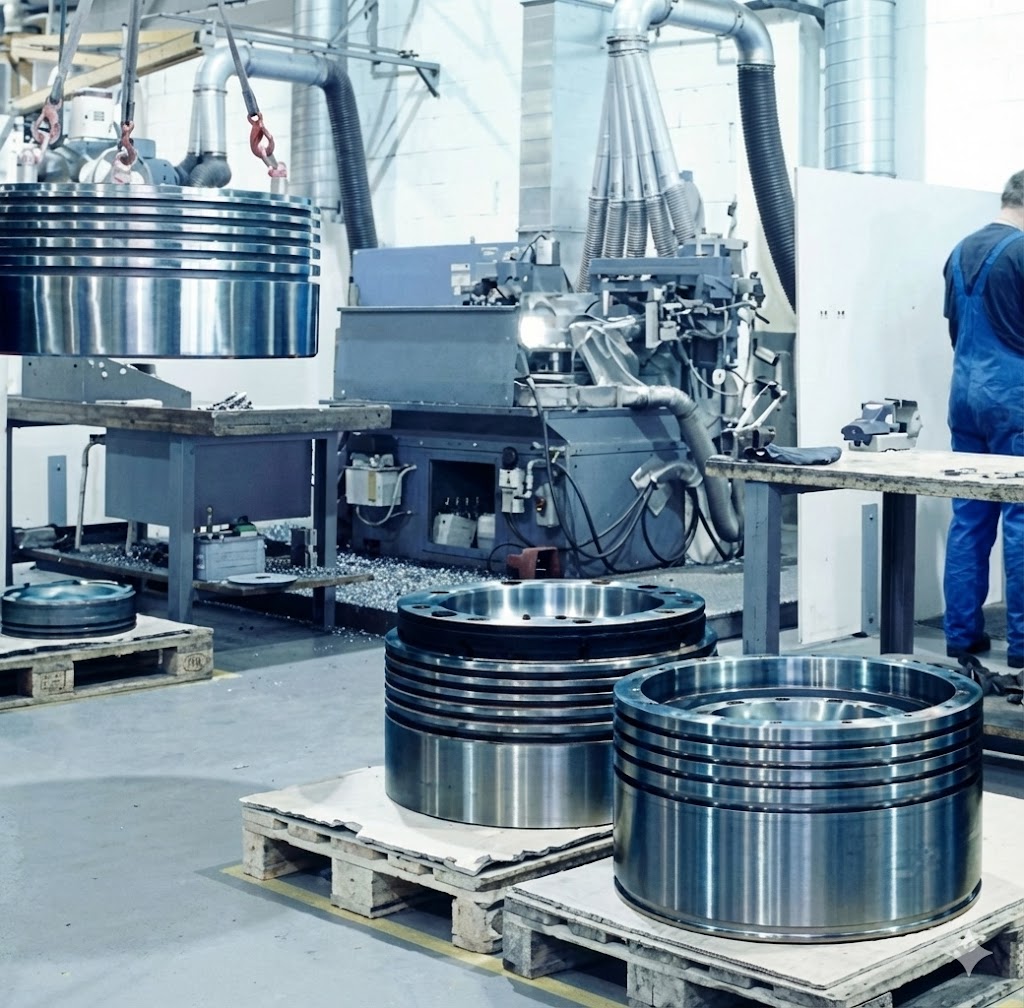
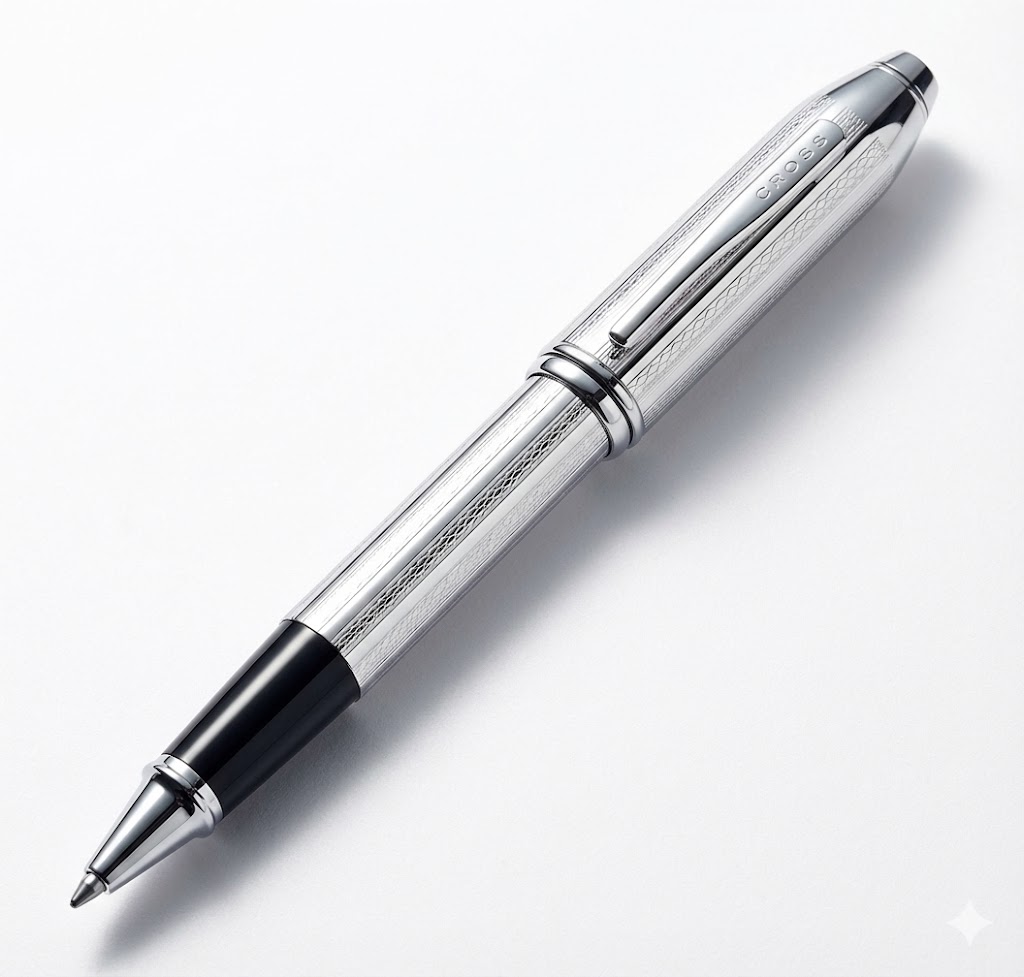
Electroplating is a precision metal coating process where dissolved metal ions are reduced onto an object’s surface through an electrical current. The result is a thin, coherent metallic layer that improves surface properties such as durability, corrosion resistance, lubricity, and appearance.
General Metal Finishing
Decorative Coatings & Metal Finishing
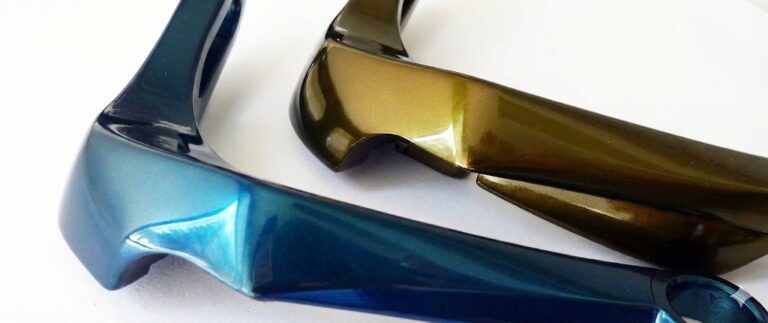
Decorative electroplating is a metal finishing practice focused on improving the durability, appearance, and performance of plated components. It involves applying a refined metal layer over metal or plastic substrates to achieve an attractive and long-lasting surface finish.
The primary purpose of decorative plating is to enhance the quality and visual appeal of parts used in both internal and external applications. Beyond aesthetics, electroplating significantly extends product lifespan, improves surface protection, and enhances functional properties—while meeting the design and finish expectations of end users.
Corrosion-Resistant Coatings
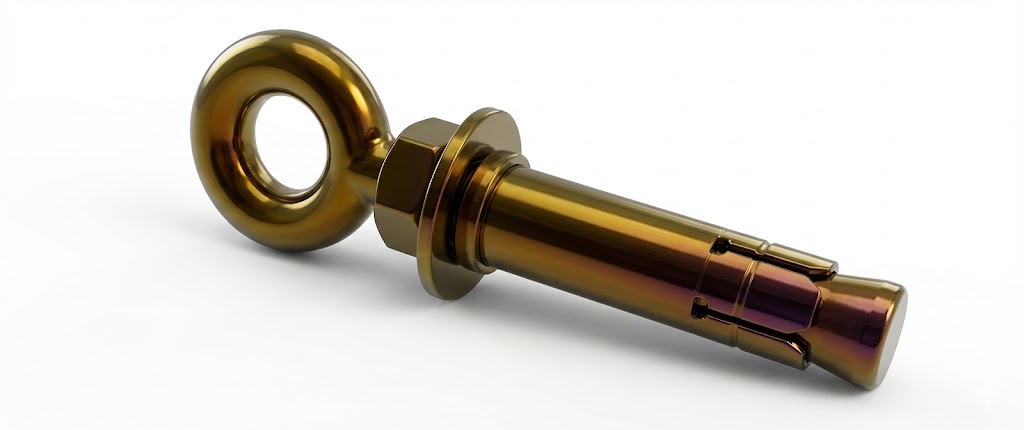
Corrosion-resistant coatings are designed to protect metal components from degradation caused by humidity, saline conditions, oxidation, and harsh environmental exposure. These coatings form a protective barrier that prevents corrosive substances from coming into direct contact with the base metal.
By minimizing corrosion, anti-corrosive coatings significantly extend the service life and reliability of metal parts. Such coatings typically include metal-based sacrificial layers and organic polymer-based barrier coatings, both widely used across industrial and commercial applications.
Plating on Plastics
Plating on plastic substrates offers enhanced reflectivity, aesthetics, and functional performance. Applying metal coatings such as chrome, gold, silver, or brass transforms plain plastic surfaces into bright, visually appealing finishes with added color and premium appearance.
In addition to improved aesthetics, metal plating significantly increases surface reflectivity, making it suitable for functional applications such as lighting, automotive, and decorative components. The process also adds surface strength and durability to plastic parts, improving their overall performance and lifespan.
Precious Metal Plating
Precious Metal Coatings
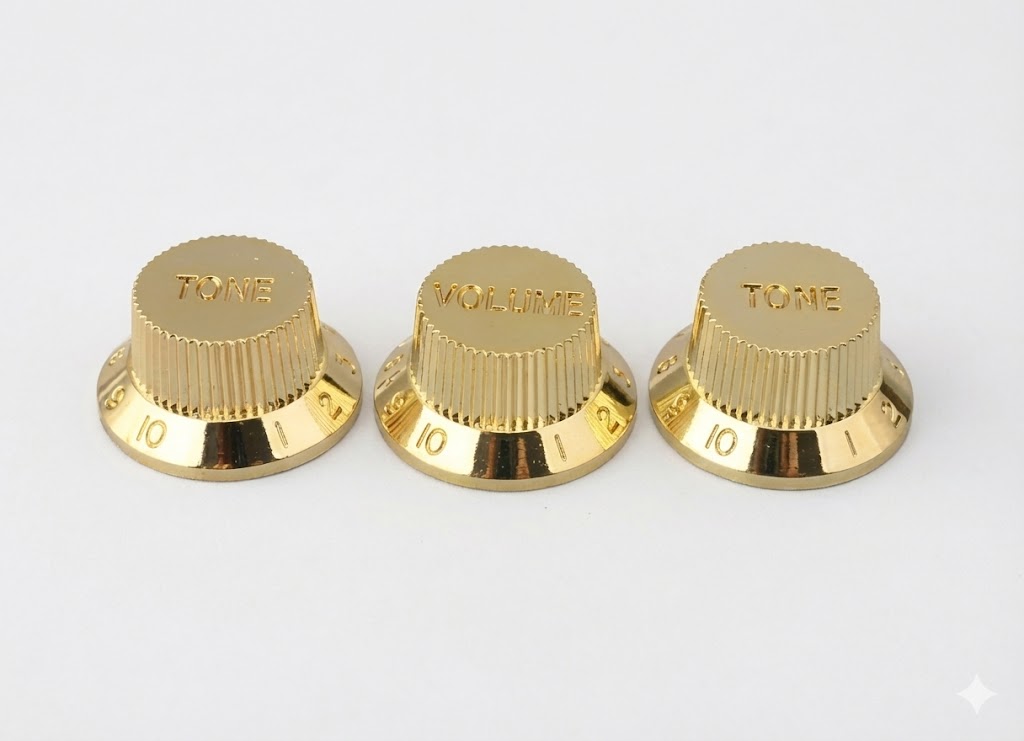
Precious metal coatings have been used for decades due to their exceptional aesthetic appeal and superior corrosion resistance. Their excellent protective properties stem from their low reactivity in the electrochemical series, making them highly resistant to chemical attack.
These coatings are widely applied across interior decoration, architectural fit-outs, aerospace, automotive, and electronics industries. Although precious metals are rare and costly, they are invaluable because of their intrinsic stability, durability, and high positive electrode potentials, which allow them to withstand aggressive environmental conditions with minimal degradation.